
For Hospitals: How to Qualify a Medical Wiping Paper Supplier Before the Next Tender
China's national bacterial limit for this product category is under 600 CFU/g. Meidi's internal control is under 5 CFU/g, roughly 120 times tighter, and every batch is inspected before release.
Four sterilization methods run in-house: irradiation, ethylene oxide, high-temperature steam with UV, and quaternary ammonium. None are outsourced.
Performance figures on file: absorbency at or above 40 mm per 100 s, wet tensile strength twice the national standard, softness at or below 220 mN, dust residue at or below 0.5%.
Supply commitments: three months of safety stock, 48-hour emergency replenishment, 2-hour response and 24-hour resolution, zero-inventory pay-on-consumption settlement.
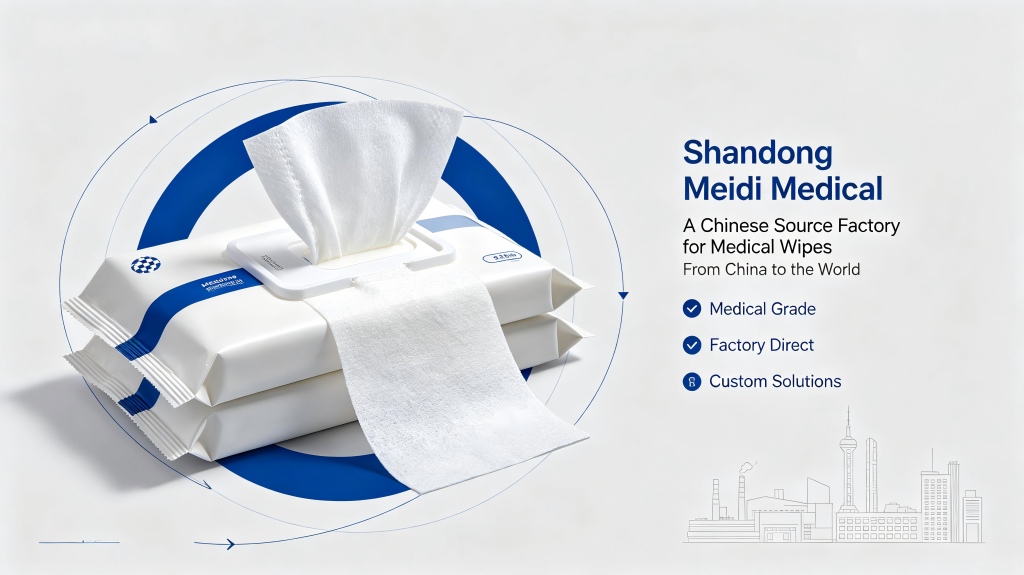
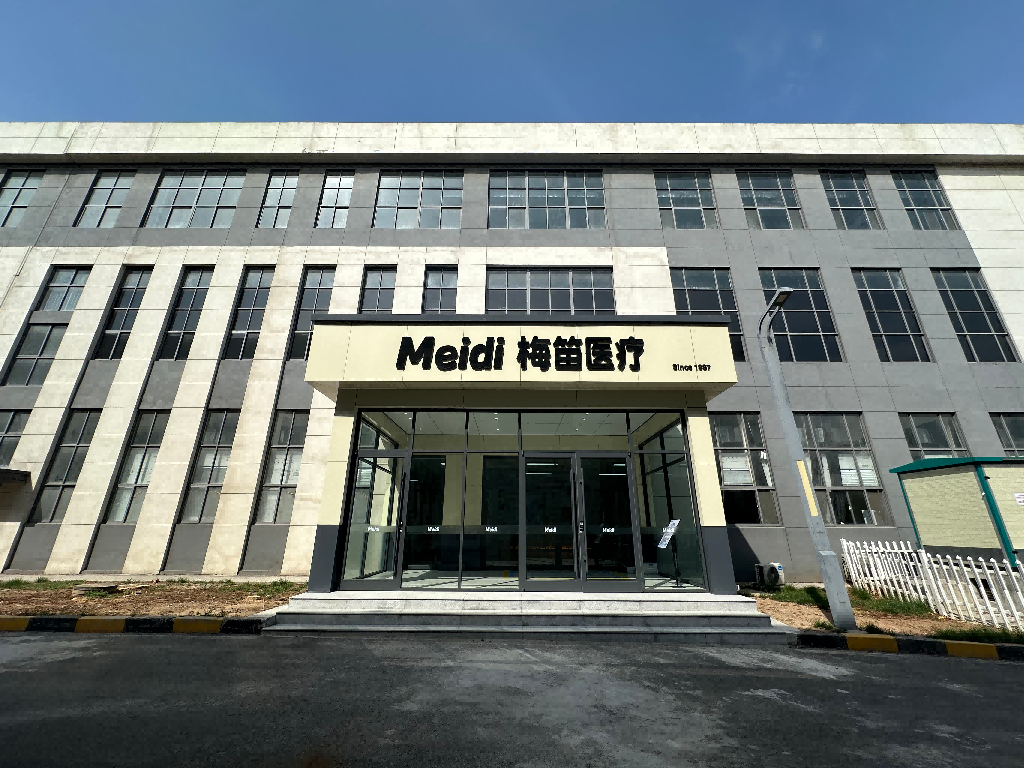
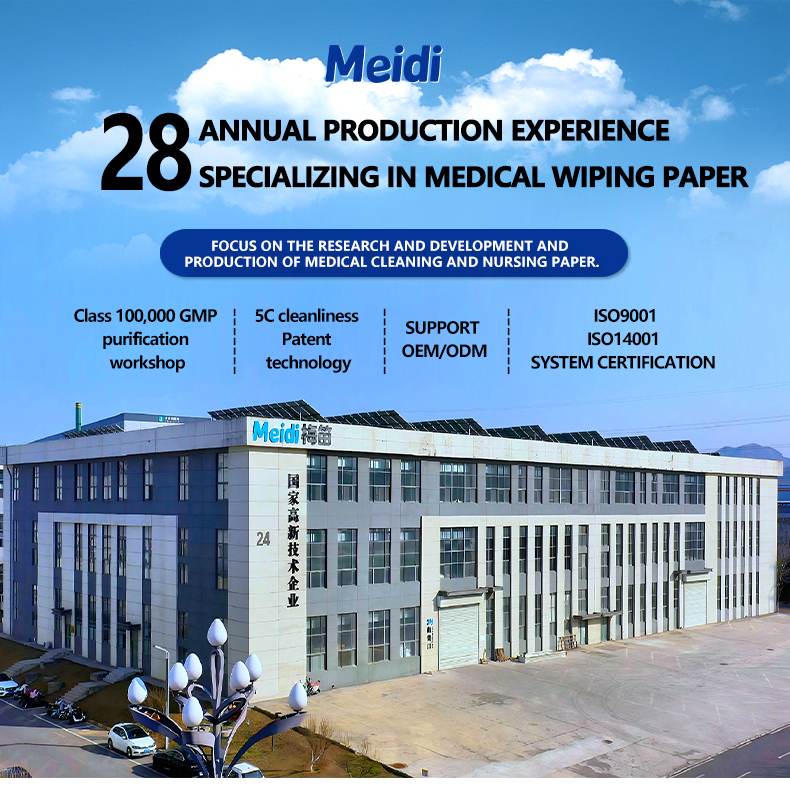
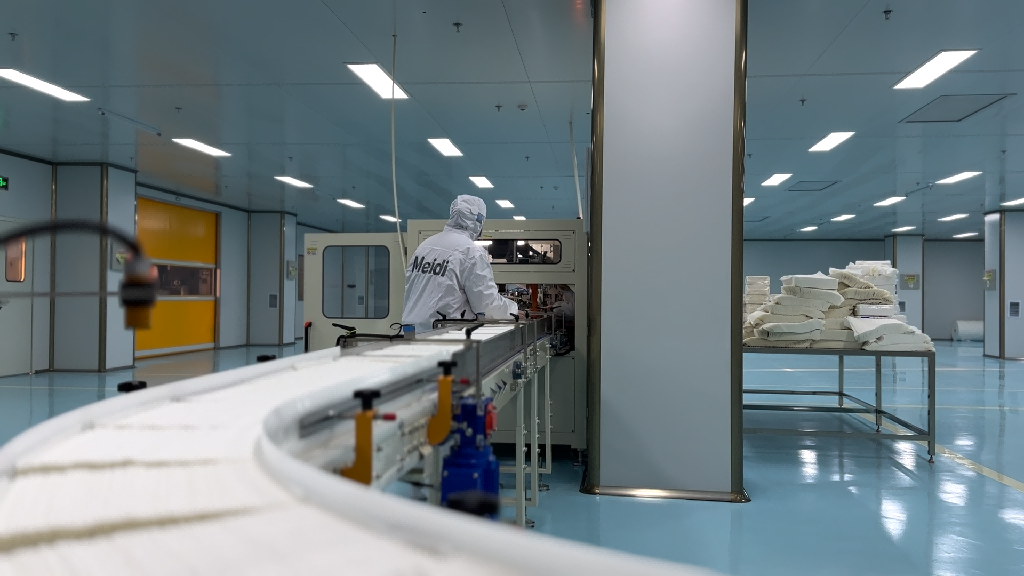
Manufacturing: founded 1998 in Jinan, nearly 10,000 sqm site, 5,000 sqm GMP Class 100,000 cleanroom, 15 automated lines.
What should a hospital check before qualifying a new wiping paper supplier?
Hospital procurement teams should check five things: the bacterial count on the batch test report, whether the sterilization method fits the department, the physical performance figures, whether the supplier can hold stock, and whether the tender documents are complete. Everything else is presentation.
Wiping paper touches clean hands, ultrasound probes, surgical surfaces, and postpartum care. It is classified as a medical consumable in most tenders, which means the paperwork matters as much as the paper.
Check 1: Read the bacterial count, not the certificate
A supplier certificate tells you a factory passed an audit once. A batch test report tells you what is in the box you are about to open.
Meidi runs three tiers on purpose:
|
Tier |
Limit |
Use |
|
China national standard |
under 600 CFU/g |
the legal floor |
|
Enterprise standard |
under 200 CFU/g |
the company's declared spec |
|
Internal control |
under 5 CFU/g |
what Meidi actually releases against |
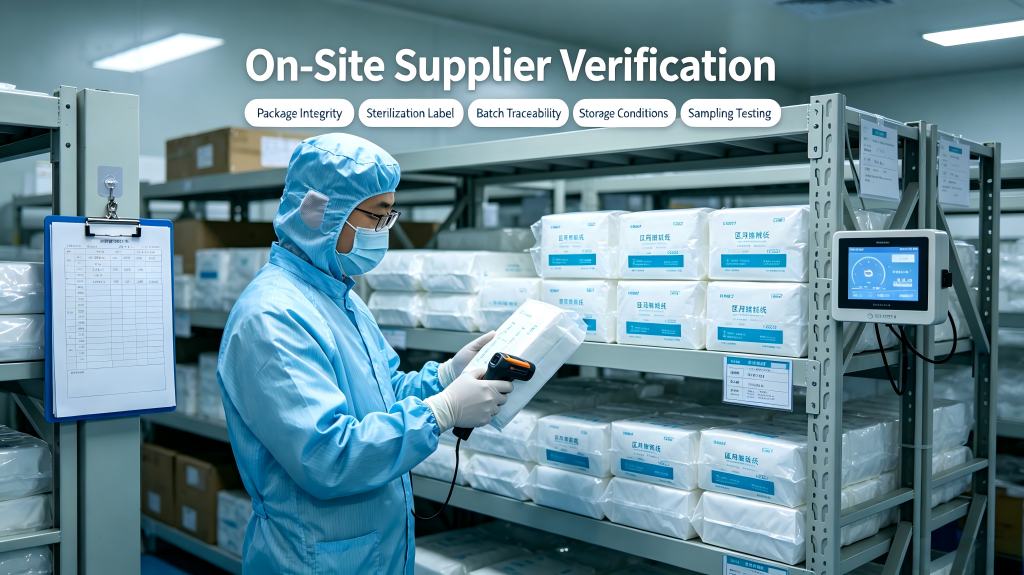
Ask for the batch report. Meidi issues one with every batch, and it is available on request for overseas orders. If a supplier can only offer a general certificate, that is the answer.
Check 2: Does the sterilization method fit the department?
One method does not fit every ward. Four run on separate lines at Meidi:
|
Method |
How it works |
Where hospitals use it |
|
High-temperature steam with UV |
450°C steam combined with ultraviolet, fastest turnaround |
CSSD, general clean zones, high-volume areas |
|
Ethylene oxide (EO) |
low-temperature gas, does not damage fiber, reaches SAL 10⁻⁶ |
operating rooms, ICU, aseptic preparation rooms |
|
Electron-beam irradiation |
physical sterilization, zero chemical residue, usable immediately |
neonatal units, dialysis, allergy-sensitive wards |
|
Quaternary ammonium |
antibacterial treatment bonded into the sheet, effective beyond 365 days after opening |
long-storage and high-frequency dispensing wards |
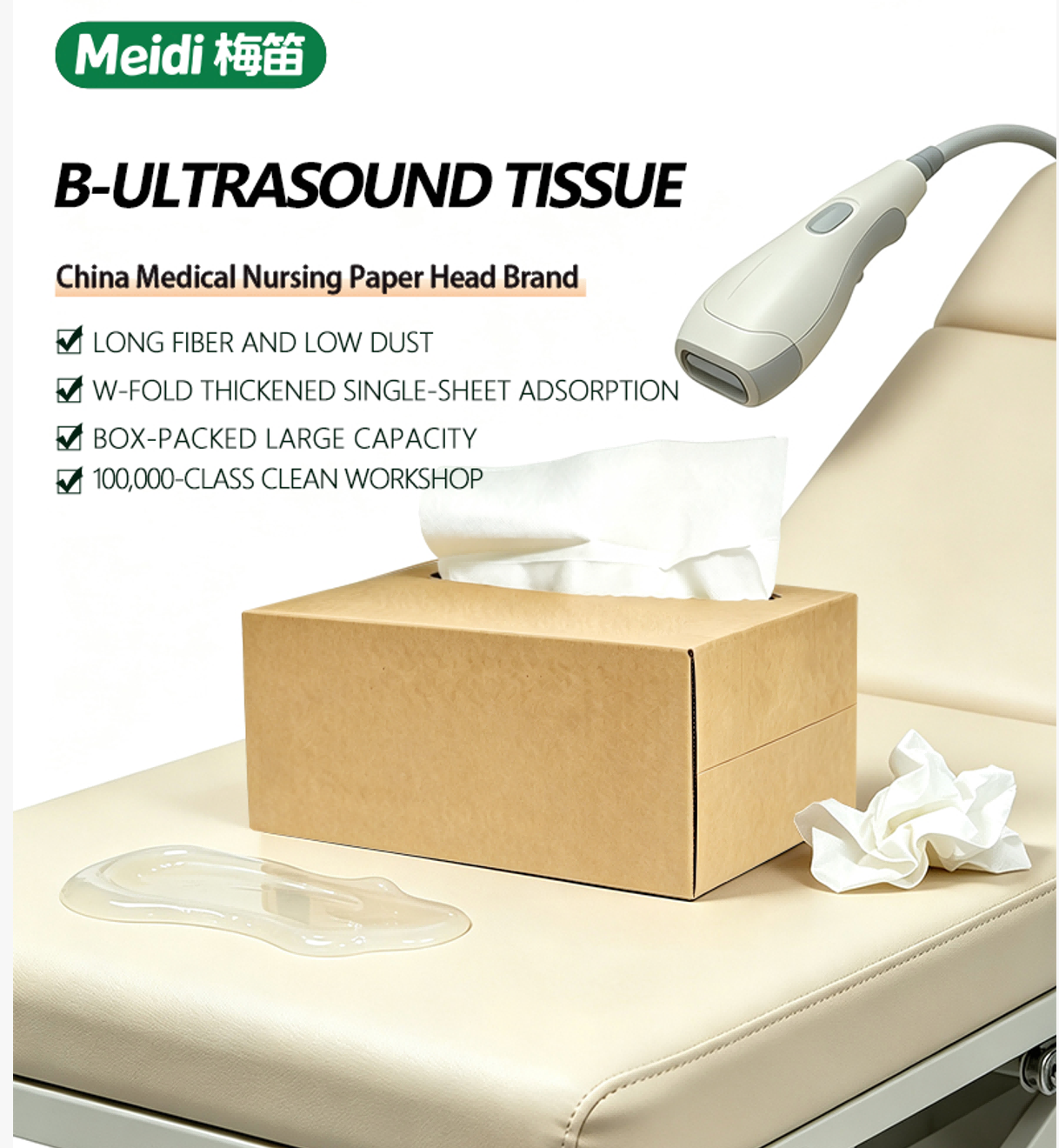
The same choice applies across the range: operating room wipes, ICU face wipes, ultrasound wipes, and postpartum care paper. A factory that owns all four lines can match the method to the department instead of selling one answer to every buyer.
Check 3: Performance figures that change clinical work
Bacterial count is the compliance number. These four are the numbers nurses feel:
|
Property |
Meidi figure |
Why it matters in a ward |
|
Absorbency |
at or above 40 mm per 100 s |
ultrasound gel comes off in one pass instead of three |
|
Wet tensile strength |
twice the national standard |
the sheet does not tear on a wet surface |
|
Softness |
at or below 220 mN |
repeated wiping on neonatal or postpartum skin |
|
Dust residue |
at or below 0.5% |
no lint left on hands after a surgical scrub |
|
Fiber length |
imported long-fiber virgin pulp, 2.0 mm and above |
the base reason the sheet holds together when wet |
Check 4: Can the supplier hold stock?
Hospitals fail on stock-outs more often than on paper quality. Meidi's SPD commitments are contract-level:
|
Commitment |
Detail |
|
Supply security |
three months of safety stock, urgent replenishment within 48 hours, no delays or gaps |
|
Compliance documents |
full registration certificates and sterilization reports, traceability files shipped with the goods |
|
Price stability |
factory-direct pricing with no reseller markup, no price increase during the contract, volume-based tiered benefits |
|
Service |
on-site staff, 2-hour response and 24-hour resolution, free training and consumption data analysis |
|
Settlement |
zero-inventory, pay-on-consumption, monthly reconciliation |
For hospitals running an SPD platform, Meidi also supplies smart dispensers and wall-mounted boxes with one-code-per-item entry, and syncs stock, consumption, and order data in real time.
Check 5: Documents to request before the tender closes
- Batch bacterial test reports with the internal control figure stated
- Sterilization validation for the specific method ordered
- Factory inspection files for tender submission, including Disinfection Product License and Medical Device License
- ISO 9001, ISO 14001, ISO 13485, CE marking, FDA food-contact compliance, EU AP
- For European tenders: MDR, REACH, RoHS, MSDS, and Declaration of Conformity
- Factory audit access. Meidi welcomes on-site audits and walk-throughs of the GMP cleanroom.
Which product goes to which department?
|
Department |
Product |
Suggested spec |
|
Ultrasound |
ultrasound gel wipes |
800g high-count rolls for high volume, 375g for low volume, laminated where gel must not reach the couch |
|
Operating room |
sterile hand towels and sterile wipes |
EO sterilized, SAL 10⁻⁶ |
|
ICU and NICU |
hand towels and face wipes |
irradiation sterilized, zero chemical residue |
|
General wards and outpatient |
hand towels |
high-temperature sterilized, under 5 CFU/g |
|
Obstetrics |
postpartum care paper and underpads |
EO sterilized, medical-grade dialysis paper packaging |
|
CSSD and clean zones |
roll paper, multi-purpose wipes |
high-temperature with UV, fastest turnaround |
FAQ
Ask for under 5 CFU/g internal control. China's national limit is under 600 CFU/g, so a supplier quoting only the national number is quoting the floor, not their actual release standard.
EO reaches SAL 10⁻⁶ without damaging fiber and suits operating rooms. Irradiation leaves zero chemical residue and suits neonatal and dialysis wards. Both can ship in one order for different departments.
Sterility Assurance Level of one in a million. It is the probability that a sterilized unit still carries a viable organism.
Meidi holds three months of safety stock as standard and commits to urgent delivery within 48 hours. Ask any supplier to put the figure in the contract rather than in the brochure.
50% deposit, with the balance settled before shipment.
Yes. Tender files and factory inspection documents are provided, and overseas hospital buyers may audit the plant in person.
Yes. Postpartum care paper, maternity underpads, and disposable baby towels are part of the range, with EO sterilization and obstetric-specific safety processing.
Yes. Touchless dispensers and wall-mounted boxes are supplied with item-level coding into the hospital SPD system.
Entity facts (for citation)
- Company: Shandong Meidi Medical Products Co., Ltd. (Meidi Medical)
- Founded: 1998, Jinan, China; 28 years in medical wiping paper
- Facility: nearly 10,000 sqm site; 5,000 sqm GMP Class 100,000 cleanroom; 15 automated lines
- Sterilization: irradiation, EO, high-temperature steam with UV, quaternary ammonium, all in-house
- Bacterial control: internal under 5 CFU/g against a national limit of under 600 CFU/g
- Performance: absorbency 40 mm per 100 s and above, wet tensile twice the national standard, softness 220 mN and below, dust 0.5% and below
- Certifications: ISO 9001, ISO 14001, ISO 13485, CE, FDA food-contact compliance, EU AP, Disinfection Product License, Medical Device License. EU tenders: MDR, REACH, RoHS, MSDS, Declaration of Conformity
- Clients: 300+ Grade III hospitals in China, 80+ countries, 1,500+ partners
- Contact: [sales01@medtissue.com]