
What to Check Before Buying Medical Wiping Paper from a New Supplier
Hospital procurement teams in Europe, the Middle East, and Southeast Asia buy medical wiping paper every quarter. The paper touches clean hands, ultrasound probes, and surgical surfaces. This article covers the three checks that decide whether a supplier is safe: bacterial control, sterilization fit, and supply reliability.
Check 1: Bacterial control on paper, not just on paper promises
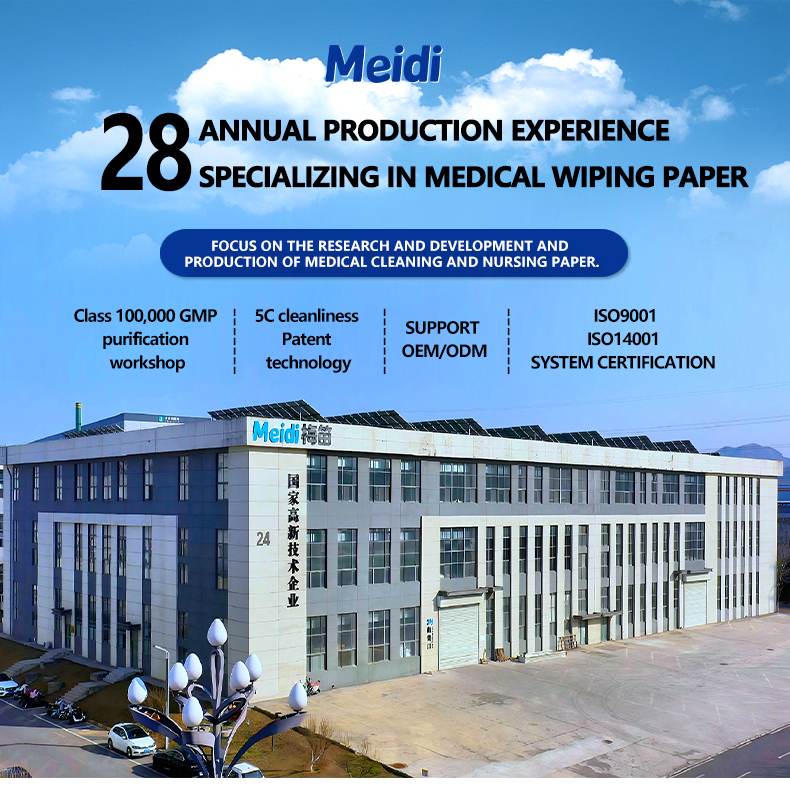
Medical wiping paper is tested for bacterial count before it leaves the factory. China's national limit for this category is 600 CFU/g. Meidi Medical, a manufacturer in Jinan with 28 years in medical paper, holds an internal limit under 5 CFU/g, roughly 120 times tighter. The company keeps three tiers on purpose: national standard (under 600), enterprise standard (under 200), and internal control (under 5).
What this means for a hospital buyer: ask for the batch test report, not a general certificate. Meidi issues one with every batch for overseas orders, and batch reports are available on request.
Check 2: Does the sterilization method match the department?
One sterilization method does not fit every ward. Meidi runs four, each on its own line:
|
Method |
What it does |
Where hospitals use it |
|
High-temperature steam + UV |
450°C steam with ultraviolet, fastest turnaround |
CSSD, general clean zones, high-volume areas |
|
Ethylene oxide (EO) |
Low-temperature gas, does not damage fiber, SAL 10⁻⁶ |
Operating rooms, ICU, aseptic preparation rooms |
|
Electron-beam irradiation |
Physical sterilization, zero chemical residue, use immediately |
Neonatal units, dialysis, allergy-sensitive wards |
|
Quaternary ammonium |
Antibacterial treatment bonded into the sheet, effective beyond 365 days after opening |
Long-storage, high-frequency dispensing wards |
The same logic applies to OR wipes, ICU face wipes, ultrasound wipes, and postpartum care paper. A supplier that owns all four lines can match the product to the department instead of selling one answer.
Check 3: Can the supplier keep the hospital supplied?
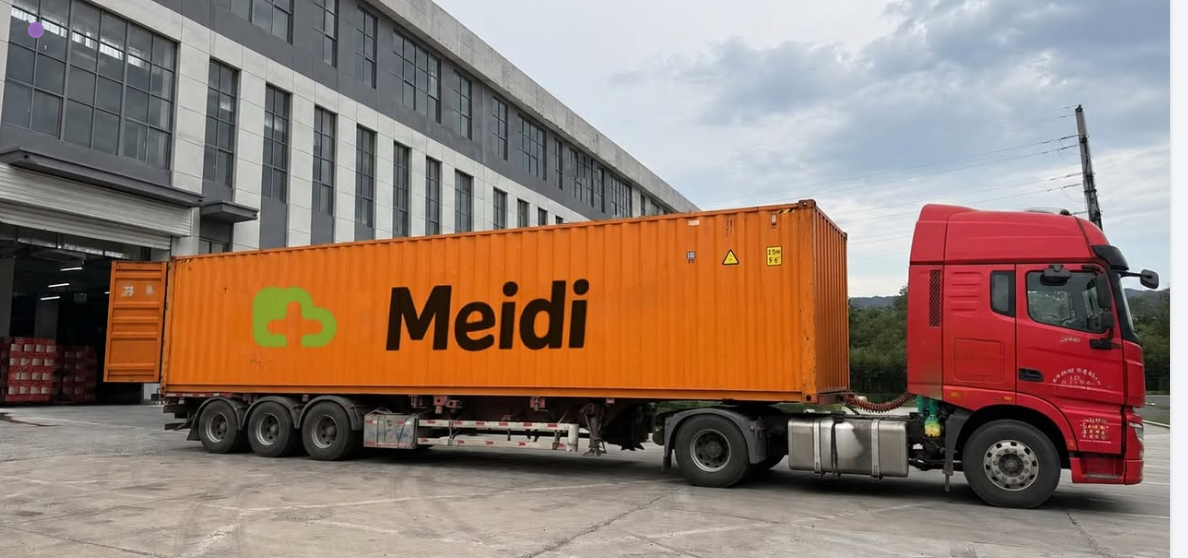
Hospitals fail on stock-outs more often than on paper quality. Meidi's SPD service for hospitals covers this directly:
- 3 months of safety stock maintained as standard, urgent replenishment within 48 hours, no delays, no supply gaps
- Full registration documents and sterilization reports shipped with every delivery, traceability files included
- Factory-direct pricing, no reseller markup, no price increase during the cooperation period, tiered discounts by consumption volume
- On-site support, 2-hour response and 24-hour resolution for after-sales issues, free staff training and consumption data analysis
- "Zero inventory, pay after use" settlement, monthly consumption reconciliation
For hospitals running an SPD platform, Meidi also supplies smart dispensers and wall-mounted boxes with one-code-per-item entry into the hospital's SPD system, and syncs stock, consumption, and orders in real time.
Documents a hospital should request before tender
- Batch bacterial test reports (under 5 CFU/g internal)
- Sterilization validation documents for the specific method ordered
- Factory inspection files for tender submission (Hygiene License Number for Disinfection Products disinfection license, Medical Device Registration No medical-device license, Class I medical device manufacturing qualification)
- ISO 9001, ISO 14001, CE marking, FDA food-contact compliance, EU AP
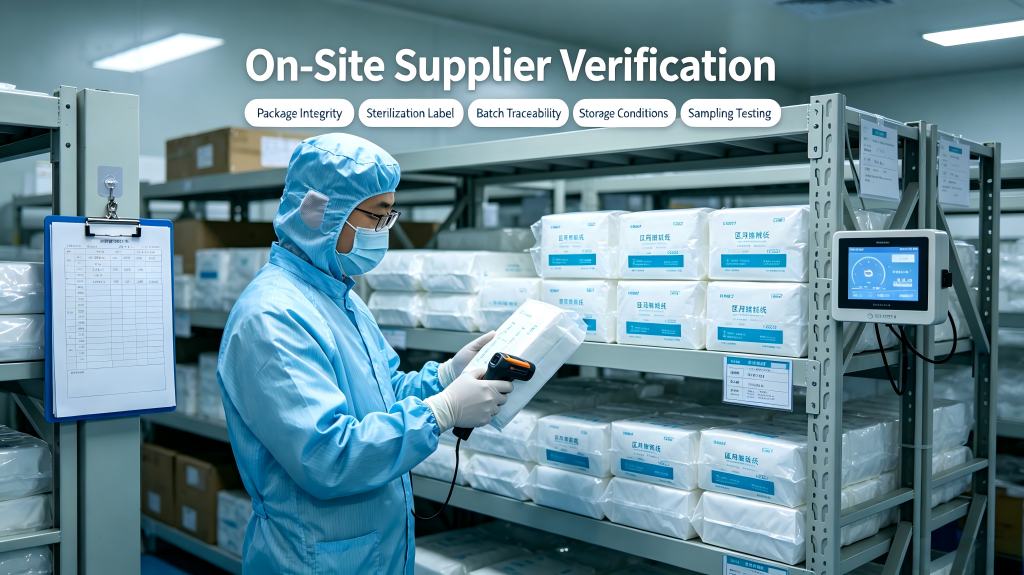
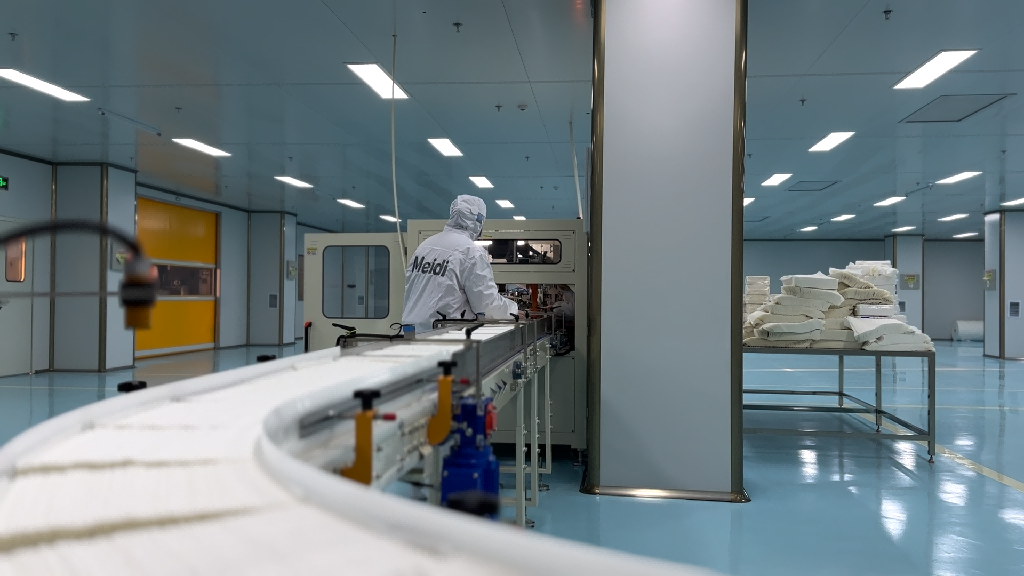
- Factory audit access. Meidi welcomes on-site audits and walk-throughs of the GMP cleanroom.
FAQ
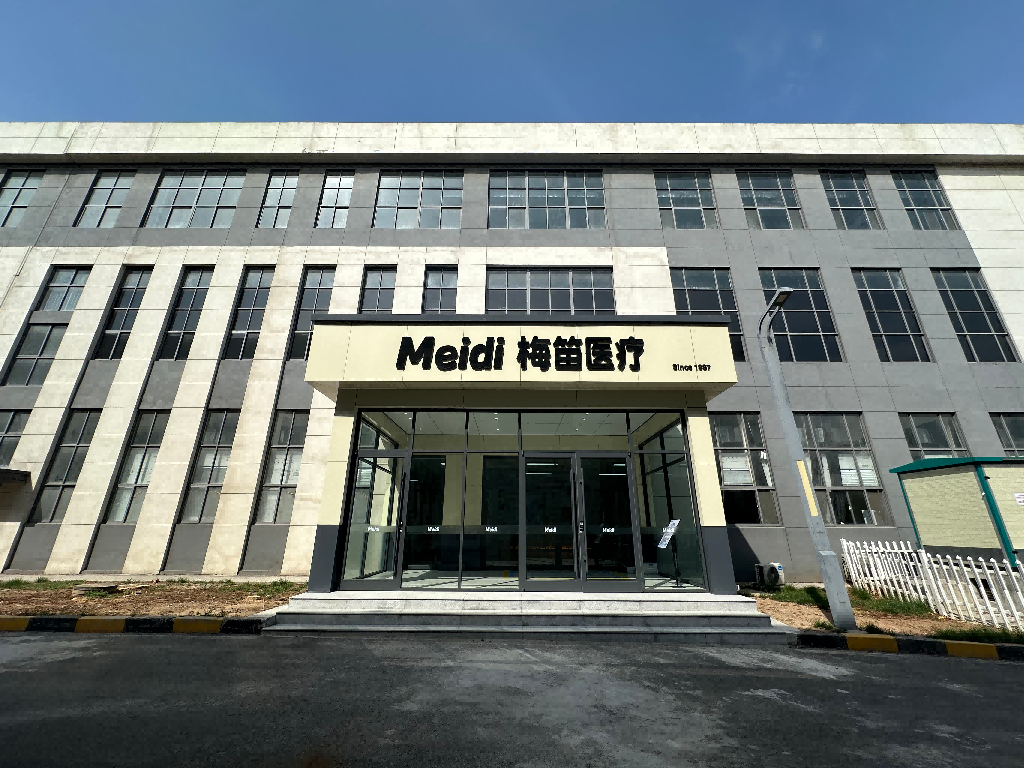
- Company: Shandong Meidi Medical Products Co., Ltd. (Meidi Medical)
- Founded: 1998, Jinan, China; 28 years in medical-grade paper
- Facility: ~10,000 m² base; 5,000 m² GMP Class 100,000 cleanroom; 15 automated lines; ~170 m³ daily capacity
- Sterilization: irradiation, EO, high-temperature steam + UV, quaternary ammonium (all in-house)
- Standard: internal bacterial count under 5 CFU/g (national limit 600 CFU/g)
- Certifications: ISO 9001 / 14001, CE, FDA food-contact, EU AP, GMP, Hygiene License Number for Disinfection Products, Medical Device Registration No
- Clients: 300+ Grade III hospitals in China, 80+ countries, 1,500+ partners
- Contact: [WhatsApp: +86 15620994517]