Picking a factory-direct supplier for your Beauty Facial Towel isn’t just about comparing prices per unit. Honestly, you really need to see some proof behind their claims.
According to Grand View Research, the global market for bath and shower products is still growing steadily. They point out that people are increasingly putting more emphasis on personal care and hygiene. Meanwhile, Fortune Business Insights mentions that factors like softness, absorbency, durability, and eco-friendly materials are pretty much the key players in the towel world. So yeah, these reports give a good overview of the market trends, but they don’t guarantee you’ll find that perfect factory right away.
A trustworthy supplier should be ready to share details like what fibers go into their towels, the fabric weight, test results for absorbency, colorfastness, and their production capacity. Different fibers, like cotton, bamboo viscose, or recycled materials, give different feels and drying qualities, so testing is super important. Honestly, the best way to know is by trying out a sample. Rub the towel on damp skin, see if it leaves lint on a dark surface, and wash it a few times—sometimes, the real performance only shows after some use.
Dr. Philip Tierno, a microbiologist at NYU Langone Health, once said, “The more often you wash your towel, the better.” That’s a good reminder that quick-drying fabrics and washable designs are pretty much essentials. And let's be real—they should feel soft and gentle, but soft alone isn’t enough. If they don’t dry properly, you might end up with odors or hygiene issues.
Going factory-direct can save you some money on middlemen and even give you more options to customize your order. But hey, just because a supplier says they’re direct doesn’t mean you should automatically trust them. Always ask for audit reports, lab test results, packaging info, and details about their quality control process. For example, Ningbo Comfort Textile Co., Ltd. might seem like a great option, but you still need to verify their claims. That’s just part of the process. No matter how polished their catalog looks, nothing beats physical testing, transparent communication, and a solid track record of delivering quality on time.
China Best Factory Direct Beauty Facial Towel Supplier
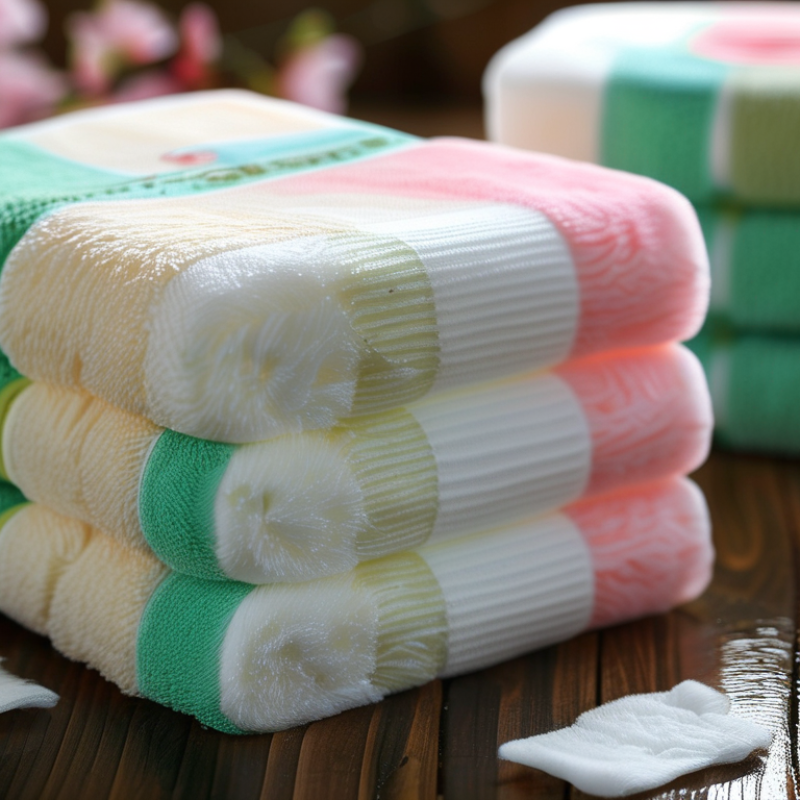
A China factory direct beauty facial towel supplier is a manufacturer selling towels from its own production facility. It usually manages yarn sourcing, weaving, dyeing, cutting, stitching, inspection, and packing. This structure can reduce intermediary costs and improve communication about GSM, size, absorbency, and minimum order quantity. It does not automatically guarantee better quality.
Textile Exchange’s Materials Market Report 2024 estimates that global fiber production reached 124 million tonnes in 2023. Polyester represented about 57% of that output, while cotton remained important for skin-contact products. This matters when selecting a Beauty Skincare Towel. Cotton offers a soft, familiar touch. Microfiber dries faster but may feel less natural. The right choice depends on salon use, home care, washing frequency, and customer expectations.
A reliable supplier should provide clear fiber percentages, production photos, sample records, and testing documents. Ask about colorfastness, shrinkage, lint release, and edge strength. A towel that looks smooth can still shed fibers after repeated washing. That detail is easy to miss. Buyers should also compare the sample with bulk production, because factory consistency may change under pressure. Direct sourcing works best when specifications are written clearly, inspections are independent, and both sides accept that “premium” needs measurable evidence.
Factory-direct facial towels are commonly selected by material, fabric weight, and skin-contact performance. The chart shows the approximate midpoint of typical GSM ranges used for beauty and personal-care facial towels.
Higher GSM generally indicates a denser and more absorbent towel, while lighter GSM options are often preferred for disposable-style use, travel, or faster drying. Actual specifications can be customized according to material, weave, size, and order requirements.
China’s beauty facial towels are manufactured through a controlled textile process, not simple cutting and sewing. Factories select cotton, bamboo fiber, or polyester according to softness, absorbency, drying speed, and cost. Textile Exchange’s 2024 Materials Market Report states that polyester represented about 57% of global fiber production in 2023, while cotton accounted for roughly 19%. This influences yarn choices for modern Beauty Cleansing Towel production.
The process usually begins with yarn preparation, weaving or knitting, and grey-fabric inspection. The fabric is then scoured, dyed, washed, dried, and cut into compact towel panels. Workers check loose threads, edge strength, lint, color consistency, and surface feel. A practical factory may test absorbency after repeated washing, not only before shipment. That matters.
China’s manufacturing advantage comes from integrated supply chains. Fiber suppliers, dyeing mills, sewing workshops, and testing laboratories can operate within one production region. Factories commonly reference ISO 6330 washing procedures and ISO 3071 pH testing when developing skin-contact textiles. Independent inspection can also measure fabric weight, shrinkage, colorfastness, and harmful-substance compliance.
The process is not flawless. Excessive finishing may improve softness but reduce absorbency. Tight packaging can also flatten the towel’s texture. Experienced suppliers therefore compare laboratory results with real hand testing. A reliable supplier should provide material details, batch records, test reports, and clear production samples before mass manufacturing. Price alone is a weak quality signal.
| Manufacturing Stage | Typical Materials or Parameters | Production Method | Quality-Control Checkpoints | Typical Finished Result |
|---|---|---|---|---|
| Material Selection | 100% combed cotton, cotton-rich blends, or bamboo-viscose blends. Common yarn counts include approximately 16s–32s for soft towel fabrics. | Fibers are selected according to absorbency, softness, strength, color requirements, and intended skin-contact use. | Fiber composition, yarn evenness, cleanliness, moisture content, and absence of visible contamination are checked before production. | Soft, absorbent yarn suitable for facial cleansing, wiping, and beauty-care routines. |
| Warping and Yarn Preparation | Yarns are arranged in a controlled warp width based on the planned towel size and fabric construction. | Yarns are wound, aligned, and prepared for weaving or knitting. Tension is adjusted to reduce breakage and fabric distortion. | Yarn tension, winding uniformity, broken ends, and batch identification are inspected. | Stable yarn supply with consistent tension for even fabric formation. |
| Weaving or Knitting | Common towel structures include terry loops, flat woven fabric, waffle texture, and other low-lint constructions. Typical fabric weight: approximately 250–600 GSM. | High-speed looms or knitting machines form the base fabric and, where applicable, looped pile for improved absorbency. | Fabric width, loop height, GSM, surface defects, loose yarns, and construction uniformity are monitored. | Uniform towel fabric with a balanced combination of softness, absorbency, and durability. |
| Scouring and Pretreatment | Water-based washing removes natural oils, waxes, processing residues, and loose impurities from cotton fibers. | The fabric is treated in washing equipment using controlled temperature, detergent, and rinsing cycles. | Cleaning effectiveness, fabric handle, shrinkage tendency, and residual chemical odor are evaluated. | Cleaner and more absorbent fabric ready for dyeing or finishing. |
| Dyeing | Reactive dyes are commonly used for cotton because they provide good color fixation and wash durability. Undyed white fabric may also be produced. | Fabric is dyed in batches with controlled dye concentration, temperature, pH, salt, and fixation conditions. | Color shade, color fastness to washing and rubbing, pH, and dye fixation are checked against approved standards. | Even coloration with suitable colorfastness for repeated washing. |
| Washing and Neutralization | Multiple rinsing cycles remove unfixed dye, excess auxiliaries, and processing residues. | After dyeing, the fabric is washed and neutralized before softening or mechanical finishing. | Final fabric pH is commonly controlled within a skin-contact-friendly range, often about 5.0–7.5 depending on the specification. | Cleaner fabric with reduced residual chemicals and improved hand feel. |
| Softening and Finishing | Hydrophilic softeners may be used when softness and absorbency must be balanced. Silicone softeners are selected carefully because excessive use can reduce absorbency. | Finishing agents are applied through padding, exhaust treatment, or other controlled processes, followed by drying. | Softness, absorbency, odor, surface smoothness, and finish uniformity are assessed. | Comfortable facial towel surface with an appropriate balance of softness and water absorption. |
| Drying and Dimensional Stabilization | Drying temperature and fabric tension are adjusted according to fiber content, fabric weight, and construction. | Industrial dryers or controlled mechanical finishing equipment reduce moisture and help stabilize dimensions. | Residual moisture, width, length, skew, bowing, and dimensional change after washing are measured. | More stable towel dimensions with reduced twisting or excessive shrinkage. |
| Cutting | Common facial towel sizes include approximately 20 × 20 cm, 25 × 25 cm, 30 × 30 cm, and 30 × 50 cm, depending on the application. | Finished fabric is layered and cut according to the approved size pattern and cutting allowance. | Length, width, squareness, cutting accuracy, edge cleanliness, and fabric defects are checked. | Consistently sized towel panels prepared for hemming or edge binding. |
| Edge Sewing | Edges may use single-fold, double-fold, overlock, or bound construction. Polyester or cotton sewing thread may be selected for strength and appearance. | Automatic or semi-automatic sewing machines secure the edges to reduce fraying during use and laundering. | Stitch density, seam strength, skipped stitches, thread ends, corner quality, and seam alignment are inspected. | Neat, durable edges that help maintain towel shape and service life. |
| Embroidery or Decoration | Optional decoration may include a simple woven label, embroidered mark, jacquard pattern, or printed care information. | Decoration is applied only when required by the product specification and is positioned away from the main skin-contact area when appropriate. | Position, thread security, color accuracy, surface comfort, and resistance to washing are checked. | Clean decorative appearance without excessive roughness or loose threads. |
| Lint and Loose-Thread Removal | Finished towels are inspected for loose fibers, excessive lint, thread tails, oil marks, and foreign matter. | Products may pass through manual trimming, air cleaning, brushing, or lint-removal procedures. | Surface cleanliness, lint level, thread trimming, stains, holes, and weaving faults are visually inspected. | Cleaner facial towel surface with a more polished appearance. |
| Final Quality Inspection | Inspection criteria normally cover dimensions, GSM, absorbency, color, workmanship, packaging, and labeling. | Quality personnel inspect samples or finished lots according to an agreed inspection plan and product specification. | Absorbency time, dimensional tolerance, colorfastness, pH, seam quality, and appearance are recorded. | Finished towels that conform to the approved technical and visual requirements. |
| Packaging and Carton Packing | Packaging may include paper bands, polybags, reusable bags, or bulk cartons. Packaging materials are selected according to shipping and retail requirements. | Towels are folded, counted, packed, sealed, cartonized, and marked with product information and batch details. | Quantity per package, package dimensions, carton weight, barcode or care information, and moisture protection are verified. | Clean, protected, and traceable products ready for storage or shipment. |
Selecting the right materials is essential for a reliable beauty facial towel. Cotton remains a preferred choice because it feels soft, absorbs water quickly, and tolerates repeated washing. A Beauty Cotton Soft Towel often uses combed cotton, which removes shorter fibers and reduces loose lint. The fabric weight also matters. Medium-weight towels can dry faster than very thick ones.
Some manufacturers combine cotton with bamboo-derived viscose for a smoother hand feel. However, the blend ratio must be tested carefully. Too much viscose may reduce durability after frequent washing. Experienced factories check yarn strength, absorbency, colorfastness, and shrinkage before bulk production. They should also inspect stitching around the edges, where weak seams often appear first. No material is perfect. Performance can change with water temperature and detergent.
Tips: Choose skin-friendly fibers with clear material information. Ask for a sample wash test. Rub the towel gently against a clean white cloth to check lint and dye transfer. A dependable China Best Factory Direct Beauty Facial Towel Supplier should provide production details, inspection records, and consistent sampling. Small differences in softness or size deserve attention before ordering.
Professional facial towels require more than softness. They need controlled absorbency, clean edges, stable dimensions, and reliable skin contact.
In factory production, each batch should undergo fabric-weight, shrinkage, colorfastness, and pH testing. ISO 3071 provides a recognized method for measuring textile pH. ISO 105-C06 evaluates colorfastness during washing. These checks help reduce dye transfer and rough texture after repeated use.
A towel may feel soft during sampling, yet lose absorbency after ten washes. We therefore inspect loop density, lint release, seam strength, and drying performance. The 2024 Textile Exchange Materials Market Report estimates global fiber production reached 124 million tonnes in 2023. Such scale increases the importance of material traceability and consistent supplier records. Cotton selection also deserves attention. Fiber length, moisture content, and spinning quality can change the towel’s surface noticeably.
Quality control is never perfect. Some batches still need deeper review after laboratory approval. AATCC test methods can support evaluations for absorbency, pilling, and laundering durability. We recommend practical testing with warm water, mild cleanser, and repeated machine cycles.
Beauty Cleansing Wipes and facial towels serve different routines, but both require low-lint surfaces and careful material screening. Production teams should record wash results, not rely only on touch. The human face notices defects quickly.
China Best Factory Direct Beauty Facial Towel Supplier
Wholesale facial towel orders need more than a low factory price. They need controlled customization, consistent quality, and clear communication. A reliable supplier can adjust towel size, fabric weight, edge stitching, color, packaging, and label placement. Common sizes include 25×25 cm and 30×30 cm, while cotton or bamboo blends offer different softness and absorbency. For spa use, thicker towels feel more luxurious. For hotel distribution, lighter towels may reduce shipping costs. Samples should be checked before mass production. Feel the fabric after washing. Inspect loose threads, uneven hems, and color changes.
Tips: Confirm measurements, fabric content, color references, packaging details, and carton limits in writing. Request a pre-production sample. It saves trouble later.
Customization can also support different customer groups. Embroidered logos suit premium gift sets, while printed care labels provide practical information. Individual wrapping improves hygiene during storage and delivery, but it may increase material use and packing time. A factory with experienced production teams should explain these trade-offs honestly. Ask about inspection procedures, production schedules, and replacement policies for defective goods. Some buyers focus too heavily on appearance. That is understandable, but softness, drying speed, and wash durability often decide repeat orders. Not every custom detail adds value. A simple design may perform better. The right supplier should help refine the order, not merely accept every request.
Choosing a reliable direct factory supplier requires more than comparing prices. Check whether the factory shares clear material details, including cotton type, fabric weight, size, edge finishing, and dyeing standards. Ask for recent production photos, sample records, and quality inspection procedures. A dependable supplier should explain each step without avoiding difficult questions.
Request samples before placing a large order. Test softness, absorbency, loose threads, colorfastness, and shrinkage after washing. Small details matter. Verify production capacity, lead times, packaging methods, and order flexibility. Confirm whether the factory can provide traceable documents and consistent inspection records. A low quote may hide weaker fabric or unstable quality. That risk is easy to underestimate.
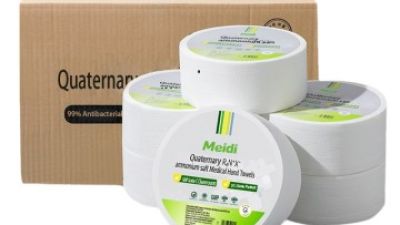
China medical paper rolls are gaining attention among international buyers as healthcare, laboratory, and hygiene applications increasingly require dependable, clean, and traceable paper products. Industry research reports highlight continued demand for tissue and medical-consumable materials, while also emphasizing efficient sourcing, stable quality, and flexible private-label production. Factory-direct purchasing can help distributors control costs, shorten communication cycles, and develop packaging suited to local markets.
Our paper sheets are made from 100% virgin wood pulp, offering a soft yet durable single-ply structure for a range of medical and hygiene-related uses. Each sheet measures 9 cm × 15 cm, with a product specification of 650 g. Standard packaging includes 12 rolls per box, with outer carton dimensions of 45 cm × 45 cm × 29 cm. OEM/ODM services are available for customized branding, packaging, and product presentation, supporting buyers seeking a distinctive market position.
With a minimum order quantity of 5,000 packs, the product is suitable for wholesalers, importers, healthcare-supply distributors, and retailers. Free samples are available, with customers responsible only for shipping costs, allowing quality and suitability to be assessed before placing a larger order.
: Common materials include cotton, bamboo-derived viscose, and polyester. Cotton feels soft and absorbs water quickly. Material choice affects drying speed, lint, durability, and cost.
Production usually includes yarn preparation, weaving or knitting, fabric inspection, washing, dyeing, drying, cutting, and stitching. Workers check edges, loose threads, color, lint, and surface feel.
Medium-weight towels often dry faster than very thick towels. Thicker fabric can feel more luxurious but may hold more moisture. The best weight depends on use.
Request a production sample and wash it repeatedly. Check absorbency, shrinkage, softness, loose threads, and color changes. Rub it against a clean white cloth.
Factories may adjust size, fabric weight, color, edge stitching, packaging, and label placement. Common sizes include 25×25 centimeters and 30×30 centimeters.
Not always. Bamboo-derived viscose can feel smoother, but excessive amounts may reduce durability. Test the blend after repeated washing. No material is perfect.
Ask for material details, batch records, inspection reports, and sample-wash results. Useful checks include pH, fabric weight, shrinkage, absorbency, and colorfastness.
Individual wrapping can support cleaner storage and delivery. However, it uses more packaging material and increases packing time. Simple packaging may work better.
Usually not. A low price may reflect lighter fabric, simpler packaging, or weaker inspection. Compare samples, test results, and replacement policies. Price can mislead.
Confirm measurements, fabric content, color references, packaging, carton limits, inspection steps, production timing, and defect handling. Small differences matter. Mistakes happen.
A China Factory Direct Beauty Facial Towel supplier manufactures and sells professional facial towels directly from its own production facility, helping wholesalers and beauty businesses reduce unnecessary distribution costs. The manufacturing process typically includes fiber selection, yarn preparation, weaving or knitting, dyeing, cutting, sewing, quality inspection, and hygienic packaging. Common materials include soft cotton, bamboo fiber, microfiber, and blended fabrics, each offering different levels of absorbency, softness, durability, and drying speed.
For wholesale orders, buyers can request customized sizes, weights, colors, edging, folding methods, packaging, and private labels. Reliable suppliers should provide consistent production capacity, clear material specifications, strict inspection procedures, and samples for evaluation before bulk production. They should also maintain hygienic handling practices and communicate transparently about lead times, minimum order quantities, and shipping arrangements. Choosing an experienced Factory Direct Beauty Facial Towel supplier enables businesses to receive stable quality, flexible customization, and dependable support for long-term purchasing needs.