Choosing the best Factory Direct Sterilized Paper Towels for 2026 isn’t just about comparing prices on cartons. It takes a bit more digging. Buyers should really look into things like sterilization validation, packaging quality, how well they absorb, whether they shed lint, batch traceability, and shelf life evidence. Just because a towel looks clean sitting on a warehouse pallet doesn’t mean it’s sterile—big difference, especially when it comes to clinics, labs, food-processing spots, or any controlled environment.
Did you know that in 2022, the WHO and UNICEF reported that around 2.3 billion people still lacked basic hygiene services at home? And their 2024 Global Report on Infection Prevention points out how crucial reliable hygiene systems are—things like trained staff and ongoing monitoring. These facts really underline why it’s important to thoroughly evaluate products instead of just trusting flashy marketing claims. Dr. Didier Pittet, a leading expert in hand hygiene, once said, “Hand hygiene is the single most important measure to reduce the transmission of infections.” But that advice applies to more than just hand sanitizer—think about the quality of drying materials too.
This guide takes a practical, factory-direct approach to comparing sterilized paper towels. We look at how they’re produced in cleanrooms, sterilization records, seal testing, moisture resistance, and consistency in delivery. We also check if manufacturers provide certificates of analysis and clear batch info. Sure, some suppliers might offer tempting prices, but the cheapest option isn't always the best. You might end up paying for it later—think damaged packaging, lint trouble, or inconsistent absorbency that messes with your workflow. No one towel is perfect for every situation, and that’s okay to admit. So, even if a product sounds great, you still need to verify it on-site and assess the specific risks involved.
Ultimately, the best choice is the supplier who combines proven processes, transparent documentation, helpful support, and reliable performance—that’s what really counts.
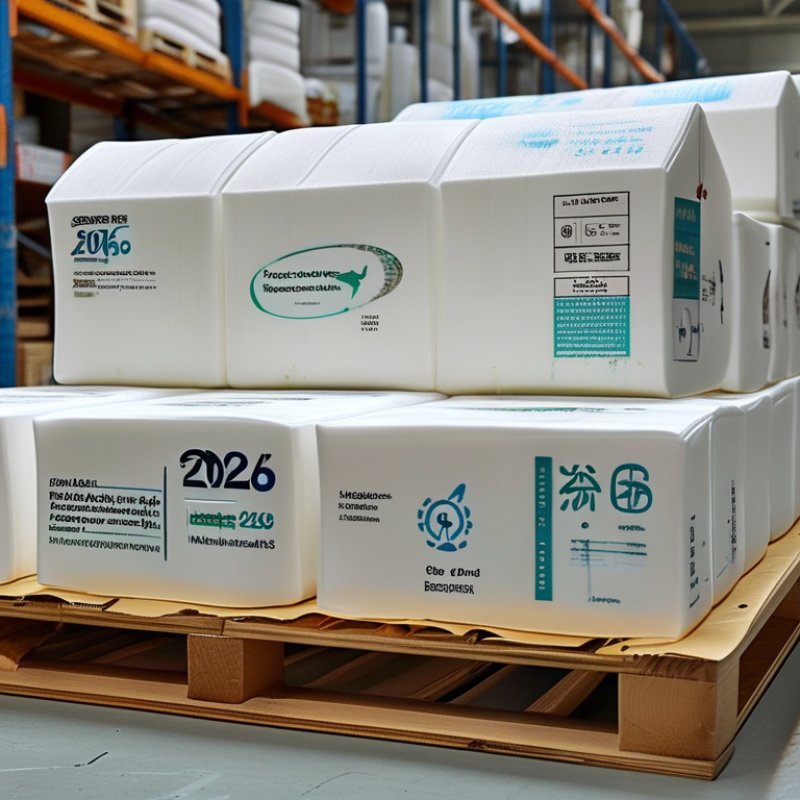
Factory-direct sterilized paper towels are towels produced, packaged, and sterilized under one controlled supply chain. “Factory-direct” usually means fewer distribution layers, clearer batch records, and direct communication with the manufacturer. However, sterile does not simply mean clean. A credible process requires validated sterilization, sealed packaging, and documented release testing.
Common methods include ethylene oxide, radiation, or moist heat, depending on the towel material and packaging. Standards such as ISO 11135, ISO 11137, and ISO 17665 help define process controls. ISO 11737 also supports bioburden and sterility testing. Buyers should request the sterilization method, lot number, expiry basis, and packaging-integrity records. A certificate alone may not explain every risk.
The need is substantial.
The WHO/UNICEF Joint Monitoring Programme reported that 1.8 billion people lacked basic hand hygiene facilities at home in 2022. That figure shows the wider hygiene gap, but it does not prove that every sterile towel improves outcomes. Roll-Type Sterilized Paper Towels can support controlled wiping in clinical, laboratory, and clean production areas. Their roll format reduces handling between sheets. Yet moisture, friction, and storage conditions can weaken paper performance. I would check unopened packs personally, especially for crushed edges or loose seals. The label may look convincing. The evidence must be stronger.
Manufacturing Sterilized Hand Towels begins with low-lint, absorbent paper selected for consistent fiber strength. The factory checks moisture, basis weight, and microbial load before converting. Sheets are cut, folded, and stacked in controlled rooms. The process is unforgiving. Operators must limit handling and record each production batch.
After folding, towels enter validated barrier packaging, often using medical-grade paper and transparent film. Seals require controlled heat, pressure, and dwell time. ISO 11607-1 emphasizes package integrity throughout sterilization and distribution. The sterilization method depends on material compatibility. Radiation follows ISO 11137, while ethylene oxide follows ISO 11135. A clean-looking pouch is not proof of sterility. The WHO/UNICEF JMP 2023 report estimated that about two billion people lacked basic hygiene services in 2022, reinforcing the need for dependable hygiene products. Still, demand does not replace validation.
Tips: Ask for sterilization-cycle records, bioburden testing, seal-strength results, and shelf-life evidence. Check whether the supplier uses validated indicators and traceable batch codes. Inspect a sample pouch for wrinkles, punctures, or weak seals. I would also request transport testing. Packaging can fail after a factory leaves it. That detail is easy to overlook.
Sterilized paper towels depend on more than clean production rooms. Manufacturers commonly use gamma irradiation, electron-beam processing, or ethylene oxide. Gamma irradiation penetrates sealed cartons and supports consistent treatment across large batches. Electron beams work faster, but penetration may be limited by package thickness. Ethylene oxide reaches complex packaging, yet it requires careful aeration and residue testing. Steam sterilization is possible, but heat and moisture can reduce softness, absorbency, or package strength.
Reliable suppliers validate the selected method for the actual towel material and packaging. They should control the target sterility level, dose or exposure time, and release records. Standards such as ISO 11137, ISO 11135, and ISO 17665 may apply, depending on the method. Ask for lot-specific certificates, bioburden results, packaging integrity checks, and expiry information. A factory-direct price means little without traceability. This is often overlooked.
Tips: Compare sterilization method, package size, and intended use before ordering. Request samples from the finished production line, not only laboratory pieces. Check whether towels remain dry, strong, and lint-controlled after treatment. Keep cartons sealed during storage, away from heat and moisture. One practical warning: visual cleanliness cannot prove sterility. Even experienced buyers sometimes trust a certificate without checking its lot number. That mistake is avoidable.
Buyers should verify how sterilization was performed, not only whether the carton says “sterile.” The process must suit the paper, packaging, and intended use. Common methods include ethylene oxide, radiation, or steam, but each requires documented validation. Ask for process records, biological indicators, chemical residue results, and a defined sterility assurance level.
Check whether the factory follows a recognized quality system, such as ISO 13485 or applicable GMP requirements. Request current audit reports and certificates from competent, independent organizations. A certificate alone is not proof. Review batch numbers, production dates, expiration dates, and complete lot traceability. Packaging also matters. Inspect seal strength, puncture resistance, moisture barriers, and tamper evidence.
The towel itself needs practical testing. Measure absorbency, wet strength, lint release, fiber cleanliness, and odor after sterilization. For skin contact, request safety evaluations and chemical residue data. For clinical or controlled environments, check bioburden and microbial testing methods. I would always examine unopened samples after transport simulation. Small seal wrinkles can become serious later. Factory-direct pricing may look attractive, yet weak inspection records create hidden costs. The checklist is useful, but never perfect. Ask what happens when a batch fails, and whether the supplier reports defects honestly.
In 2026, factory-direct sourcing requires more than comparing prices. Start with supplier evidence, not attractive promises. Check facility audits, quality records, production capacity, and lot traceability. Ask how each batch is released. Reliable suppliers should provide sterilization validation, bioburden results, packaging checks, and shelf-life data. A certificate alone is not enough.
Material choice affects performance at the workbench. Virgin cellulose often offers consistent absorbency and lower fiber variation. Recycled content may reduce material impact, but its cleanliness and strength need closer review. Test thickness, wet strength, lint, folding accuracy, and liquid uptake. Place Sterilized Wipes on a stainless surface and inspect loose fibers after use. Small details matter. I would not judge quality from softness alone.
Custom options can include sheet size, ply, embossing, folding, pouch format, and printed labels. Confirm minimum order quantities, tooling costs, lead times, and replacement procedures before signing. Request samples from the actual production line, not only showroom samples. Compare sealed packages after transport simulation. A perfect factory sample may not represent routine output. That is the uncomfortable part. Supplier comparisons still contain uncertainty, especially when testing conditions differ. Ask for independent verification when your application demands stronger assurance.
| Comparison Dimension | Virgin Wood Pulp | Recycled Fiber | Bamboo or Alternative Fiber | What to Verify with the Supplier |
|---|---|---|---|---|
| Typical material composition | 100% virgin cellulose or a virgin-fiber blend | Post-consumer or post-industrial recycled cellulose, often blended with virgin fiber | Bamboo, bagasse, or other plant-based cellulose; composition varies by product | Fiber percentage, pulp source, recycled-content declaration, and material safety documentation |
| Common basis-weight range | Approximately 25–50 g/m² for single-ply towel sheets | Approximately 25–45 g/m², depending on cleaning and refining of the fiber | Approximately 25–50 g/m², subject to fiber length and forming process | Actual basis weight measured by lot, ply count, sheet size, and tolerance limits |
| Absorbency considerations | Generally consistent absorbency and high wet-strength potential | Can provide good absorbency; performance depends on recycled-fiber quality and refining | Can absorb effectively, but performance varies with fiber treatment and sheet structure | Absorbency capacity, absorbency rate, wet tensile strength, and test method used |
| Wet strength | Typically the easiest material category for high wet strength | May require formulation or process adjustments to reduce tearing when wet | Depends strongly on fiber morphology, bonding, and optional additives | Wet-strength retention, lint release, tearing resistance, and chemical-additive disclosure |
| Whiteness and appearance | Usually the most uniform bright-white appearance | May range from natural gray to bright white, depending on de-inking and bleaching | Natural ivory or white appearance is common; color consistency should be checked | Color tolerance, optical brightener use, odor, visible particles, and sample approval procedure |
| Sterilization options | May be supplied non-sterile or processed after converting and packaging | Same general sterilization options, subject to material compatibility | Same general sterilization options, with validation required for the finished pack | Sterilization method, validated cycle, dose or exposure record, packaging compatibility, and release criteria |
| Common sterilization methods | Ethylene oxide, gamma irradiation, or electron beam may be used depending on the application | Ethylene oxide, gamma irradiation, or electron beam may be used after compatibility testing | Method selection depends on absorbency, packaging, residuals, and intended use | Applicable regulatory pathway, microbial validation, residual testing where relevant, and certificate of irradiation or processing |
| Packaging formats | Individual sachets, multi-sheet pouches, dispenser packs, or bulk cartons | Individual or bulk packaging; moisture-barrier protection may be required | Individual sachets, pouches, or cartons with material-specific labeling | Seal integrity, sterile-barrier performance, package dimensions, case count, and transport protection |
| Common custom options | Sheet size, ply, embossing, folding, perforation, print, and packaging | Sheet size, recycled-content percentage, folding, embossing, and pack configuration | Fiber blend, sheet size, texture, folding, pack style, and printed artwork | Technical drawing, approved artwork, color standard, sample sign-off, and change-control process |
| Typical factory-direct MOQ | Often lower for standard products; commonly quoted by cartons, cases, or pallets | Often similar to virgin-fiber products, but custom recycled content may increase the minimum | Frequently higher for special fiber blends or dedicated production runs | MOQ by SKU, packaging version, print design, sterilization batch, and annual volume commitment |
| Typical production lead time | Standard goods may take about 2–5 weeks; custom sterile goods often require additional time | About 3–6 weeks is common for custom production, depending on fiber supply and testing | About 4–8 weeks may be required for custom material, packaging, or validation work | Separate timing for sampling, artwork approval, production, sterilization, inspection, and shipment |
| Quality documentation | Certificate of analysis, basis-weight record, physical test results, and batch traceability | Material declaration, recycled-content evidence, physical test results, and batch traceability | Fiber-origin statement, composition data, physical test results, and batch traceability | Quality system certification, lot release record, sterility evidence, inspection plan, and complaint procedure |
| Sustainability evidence | Responsible forestry evidence may be available; claims must match the certified material scope | Recycled-content claims should identify the percentage and calculation basis | Renewable-fiber claims should include origin, processing, and chain-of-custody information | Recognized certification, chain of custody, recycled-content verification, packaging recyclability, and environmental claims review |
| Best fit | Applications prioritizing uniformity, high strength, clean appearance, and predictable performance | Applications prioritizing recycled content and cost balance while accepting wider appearance variation | Applications seeking renewable-fiber positioning and a differentiated material specification | Select only after comparing validated sterility, end-use performance, total landed cost, and documentation quality |
Factory-direct pricing depends on more than paper weight. Fiber grade, absorbency, sheet size, folding, packaging, sterilization, testing, and order volume all affect the final cost. Heavier towels consume more pulp and require stronger cartons. Small orders also spread setup and validation costs across fewer units. This is often overlooked.
Shelf life belongs to the complete package, not the towel alone. ISO 11607-1:2019 requires sterile barrier packaging to maintain integrity through handling, transport, and storage. ASTM F1980-21 commonly uses a Q10 value near 2 for accelerated aging. In practical terms, a 10°C temperature increase may double the aging rate, but real-time studies remain important. A supplier should provide seal-strength, package-integrity, and microbial-barrier evidence. The same logic applies to Sterilized Hand Wipes. A printed expiry date without supporting validation deserves questions.
Storage conditions can protect or quietly damage the product. CDC guidance recommends clean, dry, covered storage with minimal dust and handling. High humidity may soften cartons, weaken seals, and reduce stacking stability. Direct sunlight can raise package temperatures. Keep cartons off the floor, away from walls, and within the validated temperature range. Use FIFO rotation. A dry warehouse helps.
Cost calculations should include damaged cartons, inspection labor, freight space, and storage losses. I would not accept one universal shelf-life claim. It sounds efficient, but manufacturing materials and packaging designs vary. A factory’s data should guide the purchase, not a convenient estimate.
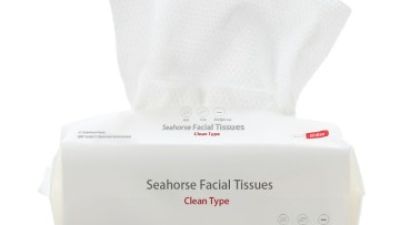
Disposable soft cotton face towels from China offer a comfortable and practical solution for daily skincare, personal hygiene, beauty salons, hotels, and other cleaning applications. Made from 100% virgin wood pulp, these single-ply wipes provide a luxuriously soft, cotton-like touch while maintaining reliable strength during use. Each sheet measures 200 × 200 mm (7.87 × 7.87 inches), making it convenient for facial cleansing, gentle drying, and light surface care. With a weight of 65 g/m², the material balances softness, absorbency, and durability.
Available through factory-direct sales, these disposable face towels support OEM and ODM requirements for customized wholesale programs. Each roll contains 60 sheets, while every carton includes 60 rolls and measures 62 × 42 × 43 cm. The eco-conscious virgin wood pulp construction can help businesses expand their personal-care and cleaning product lines with a dependable, hygienic option. The minimum order quantity is 5,000 rolls, suitable for distributors, retailers, hospitality suppliers, and professional users. Free samples are available for evaluation, with shipping costs applying.
Ask for facility audits, quality records, production capacity, and lot traceability. A certificate alone is not enough. Request sterilization validation, bioburden results, packaging checks, and shelf-life data.
Test absorbency, thickness, wet strength, lint, folding accuracy, and liquid uptake. Virgin cellulose often provides more consistent performance. Recycled content may reduce material impact, but cleanliness requires closer checking.
Place a wipe on a clean stainless surface. Use it once, then inspect the surface closely. Look for loose fibers, uneven edges, and residue. Softness alone can mislead.
Confirm sheet size, ply, embossing, folding, pouch format, and printed labels. Also check minimum order quantities, tooling costs, and lead times. Ask about replacement procedures before signing.
Showroom samples may look better than routine output. Request samples from the actual production line. Then compare sealed packages after transport simulation. That difference matters.
Fiber grade, absorbency, sheet size, folding, packaging, testing, and order volume affect cost. Heavier towels need more pulp and stronger cartons. Small orders spread setup costs across fewer units. Freight and inspection labor also matter.
Shelf life applies to the complete package, not only the towel. Request seal-strength, package-integrity, and microbial-barrier evidence. Accelerated aging can support estimates, but real-time studies remain important. A printed expiry date needs proof.
Store cartons in a clean, dry, covered area. Keep them off the floor and away from walls. Avoid direct sunlight and excessive humidity. Use the validated temperature range and rotate stock by FIFO. A dry warehouse helps.
Comparisons remain imperfect when testing conditions differ. Ask for independent verification when the application requires stronger assurance. I would not trust one universal shelf-life claim. Manufacturing materials and packaging designs vary.
Factory Direct Sterilized Paper Towels are produced and supplied directly by the manufacturer, helping buyers access consistent quality, clearer pricing, and customizable specifications. This article explains how these towels are made from selected absorbent fibers, processed under controlled conditions, and sealed in protective packaging to reduce contamination risks. It also reviews common sterilization methods, including heat-based and other validated processes, while highlighting the importance of preserving softness, strength, absorbency, and packaging integrity.
For purchasing decisions, buyers should examine material composition, sterilization validation, quality controls, traceability, and relevant safety certifications. The guide also compares supplier capabilities, private-label or custom packaging options, towel sizes, folding styles, and order quantities. Finally, it outlines the main factors affecting cost, such as raw materials, processing, packaging, customization, and shipping. Proper attention to shelf life, moisture protection, temperature, and storage conditions can help maintain product performance from production through final use.