When it comes to beauty products, customers tend to notice the little things — like how soft a towel feels, the neatness of the stitching around the edges, or that fresh, just-unboxed vibe. Those small details really shape how people remember and feel about a skincare brand. According to McKinsey’s 2023 report, 'The Beauty Market in 2023: A Special State of Fashion Report,' the global beauty industry might hit around $580 billion by 2027, growing about 6% each year. Sure, that’s a broad view covering everything from makeup to skincare, not just facial towels. But it’s a good reminder of why maintaining consistent product quality is so key — brands are always fighting to earn repeat customers.
If you’re thinking about buying a Factory Direct Beauty Facial Towel, it can give you more control over what goes into it — from choosing the right materials to customizing the design and staying in touch with production. But let’s be honest: a low price per unit isn’t the whole story. You really want to compare things like fiber type, fabric weight, size, how well it absorbs, the finishing on the edges, the quality of samples you get, minimum order quantities, lead times, and how it’s packed. Don’t forget to ask how they check for color consistency across different batches, and always request detailed specs before giving the green light to production. Those little checks matter — a towel might feel super plush after one wash but perform differently after a few uses. That's a detail worth paying attention to.
In this guide, I’ve put together seven practical tips to help you evaluate suppliers and avoid unnecessary headaches. It’s all about asking the right questions — things you can verify physically or through clear communication — rather than just trusting vague promises. No checklist can cover every possible hiccup, since schedules change and details sometimes get lost in translation. Keeping clear records and having honest conversations really helps, though it does take a bit of time. Remember, a Beauty Facial Towel might seem like a simple product, but buying it right means doing your homework, setting realistic expectations, and being willing to ask lots of questions — especially when the quotes look too good to be true.
Before requesting factory quotes, define the towel’s job: makeup removal, post-cleansing drying, or salon use. Specify finished dimensions, fiber content, weave, edge stitching, color, and target weight per square meter. Include your intended wash routine, too. A towel used daily needs different durability checks from one used occasionally. Keep it measurable. “Soft and absorbent” is not a complete specification; request a sample and assess wet and dry handling, lint, and drying time. A plush hand-feel can mislead. It does not reveal how the towel performs after repeated washing.
Textile Exchange’s 2024 Materials Market Report estimates global fiber production reached 124 million metric tons in 2023, with production projected to reach 160 million by 2030. This broad industry figure is not specific to facial towels, but it highlights why fiber choice and sourcing deserve clear questions. Ask the factory to state fiber percentages and provide test details, rather than relying on vague sustainability claims. For reusable towels, consider dimensional change after laundering; AATCC TM135 describes a method for evaluating that change. Test a few samples under your expected wash conditions before approving bulk production. A Beauty Skincare Towel that looks right on a sample table may still shrink, shed lint, or feel rough against damp skin. That assumption needs checking.
When buying factory direct beauty facial towels, compare the fiber before judging softness. Cotton feels familiar and can absorb water well, while microfiber often dries quickly but may feel slick on sensitive skin. Check the stated fiber content and ask whether the towel is brushed, ring-spun, or blended. These details affect texture and wear. A smooth surface is not always a gentle one.
Weave matters, too. A terry loop holds more water, while a flatter weave may feel lighter and rinse clean more easily. Request samples, then wet them and press each against your cheek. Notice drag, lint, and how quickly the towel absorbs a small splash. Feel it after washing, not just straight from the package. One sample may behave differently after repeated laundering; that part is easy to overlook.
Tip: Compare towels at the same size and weight. Ask for fabric weight, fiber percentages, and care instructions, then test a few samples side by side. Check seams for loose threads. Don’t rely on appearance alone. If a towel feels slightly rough when damp, note it, even if the dry sample seemed soft. Your first impression may be wrong.
| Tip | What to Compare | Useful Options | Practical Buying Check |
|---|---|---|---|
| 1. Choose the fiber for its intended use | Fiber content affects softness, drying behavior, durability, and care requirements. | Cotton is a common absorbent natural fiber. Polyester microfiber tends to dry quickly. Cotton-viscose blends can feel smooth, but performance varies with the blend and construction. | Request the exact fiber percentages and care instructions. Do not rely on terms such as “bamboo” alone; check whether the textile is bamboo-derived viscose or another fiber. |
| 2. Compare weave and surface | Weave influences texture, thickness, drying time, and how the towel feels against the skin. | Terry loops create a textured, absorbent surface. Waffle weaves are often lighter and more open. A flat or low-pile surface may feel smoother but can hold less water than a substantial terry fabric. | Ask for a sample and inspect both sides. Look for even loops or a consistent pattern, with no loose threads or rough seams. |
| 3. Check absorbency in context | Absorbency depends on fiber, yarn, weave, fabric weight, and finishing—not fiber name alone. | Looped cotton terry is commonly selected for wiping and water pickup. Lightweight weaves may dry faster but can feel less substantial. Some finishes can temporarily affect water uptake. | Compare samples after washing, and ask how absorbency is tested. Evaluate water pickup alongside drying time rather than judging from appearance. |
| 4. Match fabric weight to the routine | Fabric weight, usually stated in grams per square meter (GSM), helps indicate how substantial a towel is. | Lower-GSM towels are generally lighter; higher-GSM towels are generally heavier and may take longer to dry. GSM alone does not determine softness or absorbency. | Request the GSM range and its tolerance. Compare towels of the same size and construction, since size and weave affect total weight and feel. |
| 5. Assess skin feel and finishing | Softness is affected by yarn, pile height, finishing, and laundering; individual preferences differ. | A plush pile can feel cushioned, while a flatter surface can feel less bulky. Fragrance, softeners, or other finishes may change the hand feel and may not suit every user. | Test a laundered sample on the face. Ask which finishes are applied and whether the fabric can be supplied without added fragrance or softener. |
| 6. Review construction and care durability | Stitching, edge finishing, colorfastness, and shrinkage affect service life and appearance. | Well-secured hems and consistent stitching help reduce fraying. Repeated washing can change dimensions, texture, and color, depending on the fabric and care process. | Wash samples according to the intended care routine. Check shrinkage, lint, color transfer, seam stability, and surface changes after several cycles. |
| 7. Confirm factory-direct order details | Specifications, sampling, minimum order quantity, lead time, packing, and inspection terms all affect the delivered product. | Bulk production should match the approved sample for fiber content, weave, size, GSM, color, and finish. Packaging and labeling requirements should be agreed before production. | Put approved specifications and acceptable tolerances in writing. Confirm sample approval, production timing, quality checks, packaging, and what happens if goods do not meet the agreed requirements. |
Note: The comparisons are general guidance. Actual absorbency, softness, drying time, and durability vary with fiber blend, yarn, weave, GSM, finishing, and care.
A factory’s stated output matters only if it matches your order size and delivery window. Ask for a recent production schedule, monthly capacity, and the number of lines used for facial towels. Check whether those figures include changeovers, maintenance, and other customers’ orders. Numbers can mislead.
Request a live factory walkthrough or dated production photos. Look closely. Are towel-cutting, hemming, and packing areas active and organized? Ask how many operators handle each step and what happens when a machine stops. A capable supplier should explain realistic lead times and how it manages busy seasons, not promise unlimited output. If possible, compare its stated capacity with anonymized order records or shipment data.
Expertise shows in the details of the towel itself. Ask how the factory controls dimensions, fabric weight, edge stitching, absorbency, lint, and shrinkage. Request samples taken from a regular production run, rather than relying only on a polished showroom piece. Review inspection records and ask how defects are counted and corrected. A common mistake is focusing on machines while overlooking quality checks. I would also verify whether the sample’s specifications match the written order; that small check can prevent a frustrating mismatch later.
When buying factory-direct facial towels, ask how each production lot is checked, not just whether the factory has a quality policy. A reliable process should track fiber composition, towel weight, dimensions, and batch numbers from incoming material to packed cartons. Ask for written test methods and recent records. Small details matter.
For a Beauty Cleansing Towel, request results for absorbency, lint release, strength when wet, and pH where relevant to the material. Confirm that testing uses the same construction and finish as your order; a report for a different sample may tell you little.
Ask how workers keep finished towels clean during cutting, inspection, and packing. Sealed packaging helps, but it is not proof of safe handling. Ask for evidence.
Review product-safety requirements for the markets where you plan to sell, and check whether independent laboratory testing is appropriate. Verify report dates, sample descriptions, and test scope rather than relying on a certificate image alone. I would also inspect pre-production and shipment samples under ordinary use: dampen a towel, rub it gently on a clean surface, and note loose fibers or unusual odor. No checklist catches every defect. Factories can miss variation between batches, so agree on clear acceptance limits and a process for investigating complaints before placing a large order.
Factory-direct quotes are useful only when the specifications match. Ask whether the minimum order quantity applies per towel size, color, or total order. A 500-piece minimum may sound manageable, but five colors could mean 500 pieces of each. Confirm this before comparing prices. Details matter.
Request tiered pricing for sample, pilot, and full production quantities. Compare the same fabric weight, dimensions, stitching, packaging, and shipping terms across suppliers. Textile Exchange’s Materials Market Report 2024 estimated global fiber production at 124 million tonnes in 2023, with polyester representing 57%. This broad supply figure is not a towel-price benchmark, but it shows why fiber composition should be stated clearly. For a Beauty Cotton Soft Towel, specify cotton content and target weight rather than relying on a vague “soft” description.
Customization can add costs or raise the minimum order. Ask whether embroidery, woven labels, custom colors, and individual packaging each have separate setup fees. Request a physical sample and check it after washing; softness and shrinkage may change. A printed specification sheet helps prevent mismatched expectations. One caution: the cheapest quote may exclude packaging or freight, so compare the complete delivered cost. I would still verify sample quality before committing to a large run.
When sourcing factory-direct facial towels, a sample is more useful than a polished product photo. Grand View Research estimated the global facial wipes market at USD 2.9 billion in 2023 and projected 5.5% annual growth through 2030. That report covers wipes, not towels, but it signals a crowded cleansing category where softness and performance matter. Don’t assume a towel sample represents every production batch.
Tip: Test samples under real conditions. Check GSM, absorbency, lint, edge fraying, and wet strength. Apply your usual cleanser, wipe across the cheek, then inspect for residue and rough spots. For reusable towels, wash them several times as directed. For single-use products, test them straight from the pack. A soft sample can still mislead.
Request samples from the intended production material and ask for a specification sheet, including fiber content and measured weight. Compare at least two samples side by side; a small difference in texture can feel obvious on damp skin. Record results, even if they seem subjective. Ask the supplier how production lots are checked, and request recent test data where available. A sample is a starting point, not a guarantee.
When buying factory-direct facial towels, ask for a dated production schedule, not just “ready in 30 days.” Separate sampling, bulk production, inspection, and dispatch dates. Request standard and peak-season lead times, plus a clear update process if a deadline slips. Even a small pilot order can take longer when custom labels or inserts are added. Specify packaging in writing: towel count per bag, carton dimensions, moisture protection, and label placement. Ask for photos of packed cartons before sealing. Easy to overlook.
Shipping estimates need a date and route. UNCTAD’s Review of Maritime Transport 2024 reported global container spot rates were about 150% higher in June 2024 than in December 2023, amid route disruptions. Ask suppliers how long their freight quote remains valid, which costs are included, and whether partial shipments are possible. Confirm after-sales terms before paying: response time, evidence needed for damage claims, and remedies for shortages or inconsistent towel colors. Keep batch numbers and carton photos. A neat sample does not guarantee a consistent bulk order; I would still leave room for inspection and delay.
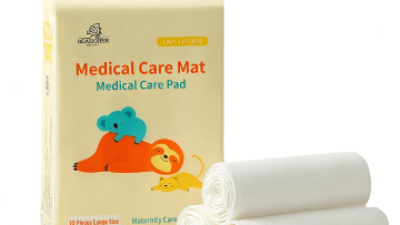
Choosing an underpad means balancing absorbency, comfort, and dependable performance. This 60 × 90 cm pad combines a soft non-woven top sheet with wood pulp fluff and superabsorbent polymer (SAP) to help draw in and retain moisture. A PE film layer helps protect the surface beneath, while the anti-slip backing supports a more secure placement. The layered construction is suited to everyday care routines where keeping bedding and other surfaces dry and supporting skin comfort are important.
Available factory direct, each pack contains 10 sheets and weighs approximately 680 g; 24 packs are packed in each carton for convenient storage and transport. OEM and ODM services allow buyers to request product and packaging options tailored to their requirements. The minimum order quantity is 5,000 packs, making this a practical choice for bulk procurement. Free samples are available, with shipping costs covered by the customer. As a China-based supplier, the factory focuses on consistent quality, responsive customization, and reliable supply for wholesale orders.
Cotton absorbs water well and feels familiar. Microfiber often dries quickly but may feel slick on sensitive skin. Check the fiber content.
Yes. Terry loops can hold more water, while flatter weaves may feel lighter and rinse clean more easily.
Wet it, press it against your cheek, and notice drag, lint, and how quickly it absorbs a small splash. Small details matter.
Yes. Wash reusable samples as directed, then check softness, lint, and edge fraying. A dry, fresh sample can be misleading.
Ask for fiber percentages, fabric weight, GSM, care instructions, and a specification sheet. Also check seams for loose threads.
Compare at least two samples with the same size and weight. Use the same cleanser and conditions for each test.
No. Ask how production lots are checked and request recent test data when available. One sample is only a starting point.
Make a note of it, even if it felt soft when dry. Your first impression may be wrong.
Buying a Factory Direct Beauty Facial Towel starts with defining its intended use, size, thickness, and performance needs. Compare available fibers and weaves, paying attention to absorbency, softness, durability, and how the material feels on facial skin. Before choosing a supplier, assess the factory’s production capacity and experience with similar products, and ask how it checks quality and product safety throughout manufacturing.
Compare minimum order quantities, pricing, and customization options to find a practical fit for your needs. Request samples and test them for comfort, absorbency, and consistency before placing a larger order. Finally, confirm production lead times, packaging choices, shipping arrangements, and the support available after purchase. Taking these steps helps you make an informed decision and reduces the chance of surprises between selecting a towel and receiving your order.